

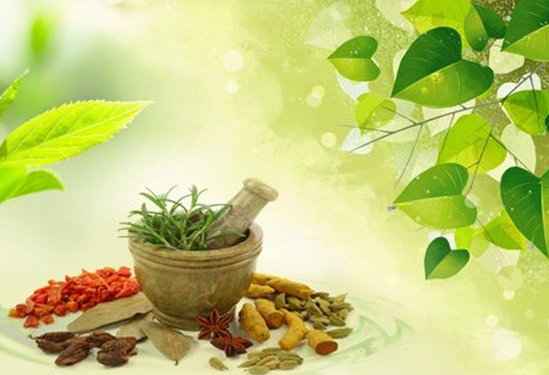
Herbal produce:
India has solid traditional health care practices that represent the old style of medication. The significant shared characteristic of the Indian old style and the folk health care traditions is their reliance upon the raw material got from an enormous assorted variety of plant species, which is evaluated to be around 6,500.
Cultivation of medicinal herbs like Shankhapushpi, Atis, kuth, kutki, kapikachhu, karanja, are changing the Indian agrarian Ayurvedic scenes along with the extraordinary opportunities for the farmers to increase their income.
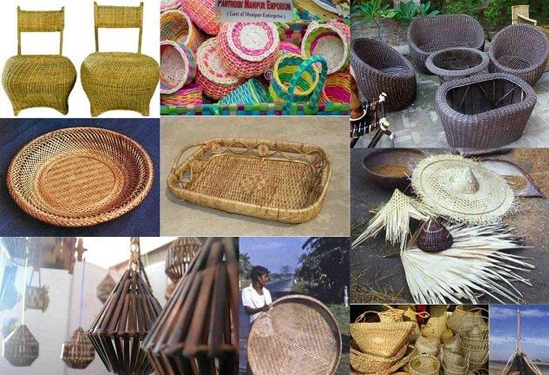
Cane & Bamboo products
India has a couple of states which are famous for cane and bamboo products. The north-eastern region of India comprising of Assam, Manipur, Nagaland, Mizoram, Maghalaya, Arunachal Pradesh and Tripura has the finest example of cane and bamboo products. Artisans of northeast mostly make mats, trays, unique furniture, baskets, coasters, home décor things, toys and many more.
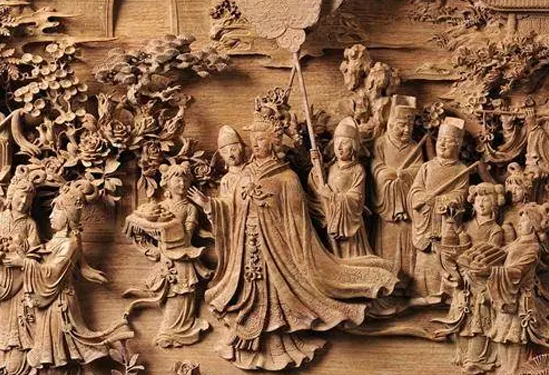
Wood carvings / Stone carvings / Marble Carvings for decorative use
The forts and palaces of Rajasthan have the exclusive carving and latticework. The art of making elaborately carved pillars, latticework and stone panels for buildings, is a vibrant and living skill which makes Rajasthan's craftsmen in demand for specially commissioned major works, even outside the state. Rocks of various hues, green granite, marbles of all hues are used for stonework. It can mostly be seen in the palaces and forts of Jaipur and Jaiselmer.
Art Metal wares / Copper wares
The metal crafts of India display intricate craftsmanship and fine art in shaping gold, silver, brass, copper into exquisite designed images, idols, jewelry, and utility items. Different categories of handicrafts that come under metal ware are brass metal ware of Moradabad, metal bidri work and bell metal in Madhya Pradesh, Odisha, and so on.

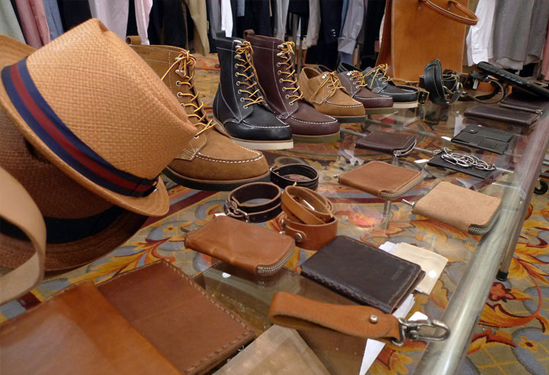
Leather wares
The major production centres for footwear, leather and leather products in India are located in the States of Tamil Nadu – Chennai, Ambur, Ranipet, Vaniyambadi, Vellore, Pernambut, Trichy, Dindigul and Erode; West Bengal – Kolkata; Uttar Pradesh – Kanpur, Agra, Noida, Saharanpur; Maharashtra – Mumbai; Punjab – Jalandhar; Karnataka – Bengaluru; Telengana Hyderabad; Haryana – Ambala, Gurgaon, Panchkula, Karnal and Faridabad; Delhi; Madhya Pradesh – Dewas; Kerala – Kozhikode and Ernakulam / Cochin; Rajasthan; Jaipur; Jammu & Kashmir; Srinagar.
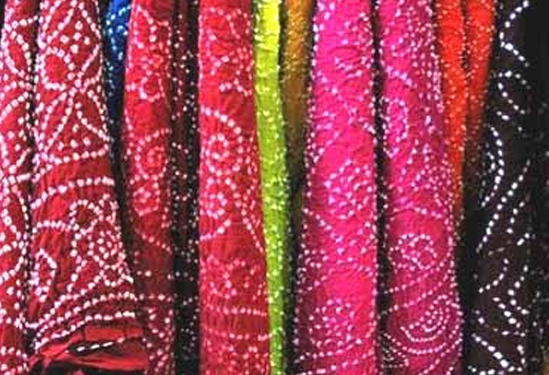
Hand printed textiles / Tie and dye / Woolen items like shawls
The art of making Indian block printed textiles is a labour-intensive, painstaking process that has survived from ancient times to the present. Scraps of cloth found in the ruins of Mohenjo Daro, an ancient city of the Indus Valley civilization, provide evidence that block printing was practiced in India as long ago as 3000 BC. The art flourished in the 12th century under the patronage of the rajas. The 17th century saw a revitalization of the art and block printing of fabric by hand is still now a thriving activity.
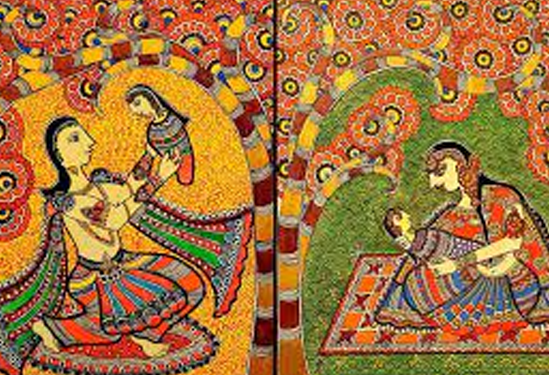
Paintings
India had always been known as the land that portrayed cultural and traditional vibrancy through its conventional arts and crafts. The 35 states and union territories sprawled across the country have their own distinct cultural and traditional identities, and are displayed through various forms of art prevalent there. Every region in India has its own style and pattern of art, which is known as folk art. Other than folk art, there is yet another form of traditional art practiced by several tribes or rural population, which is classified as tribal art. The folk and tribal arts of India are very ethnic and simple, and yet colorful and vibrant enough to speak volumes about the country's rich heritage.
Jewelry / Ornaments
India has been endowed with a rich tribal culture, which despite modernisation has kept its unique traditions and values intact. Tribal Jewelry still bears a definite earthy charm. On the other hand, being different from the conventionally manufactured jewelry items, the rarity of ethnic jewelry is cherished by many.
